

Organic Tea in Nepal: Growing Regions, Types & Production
Introduction
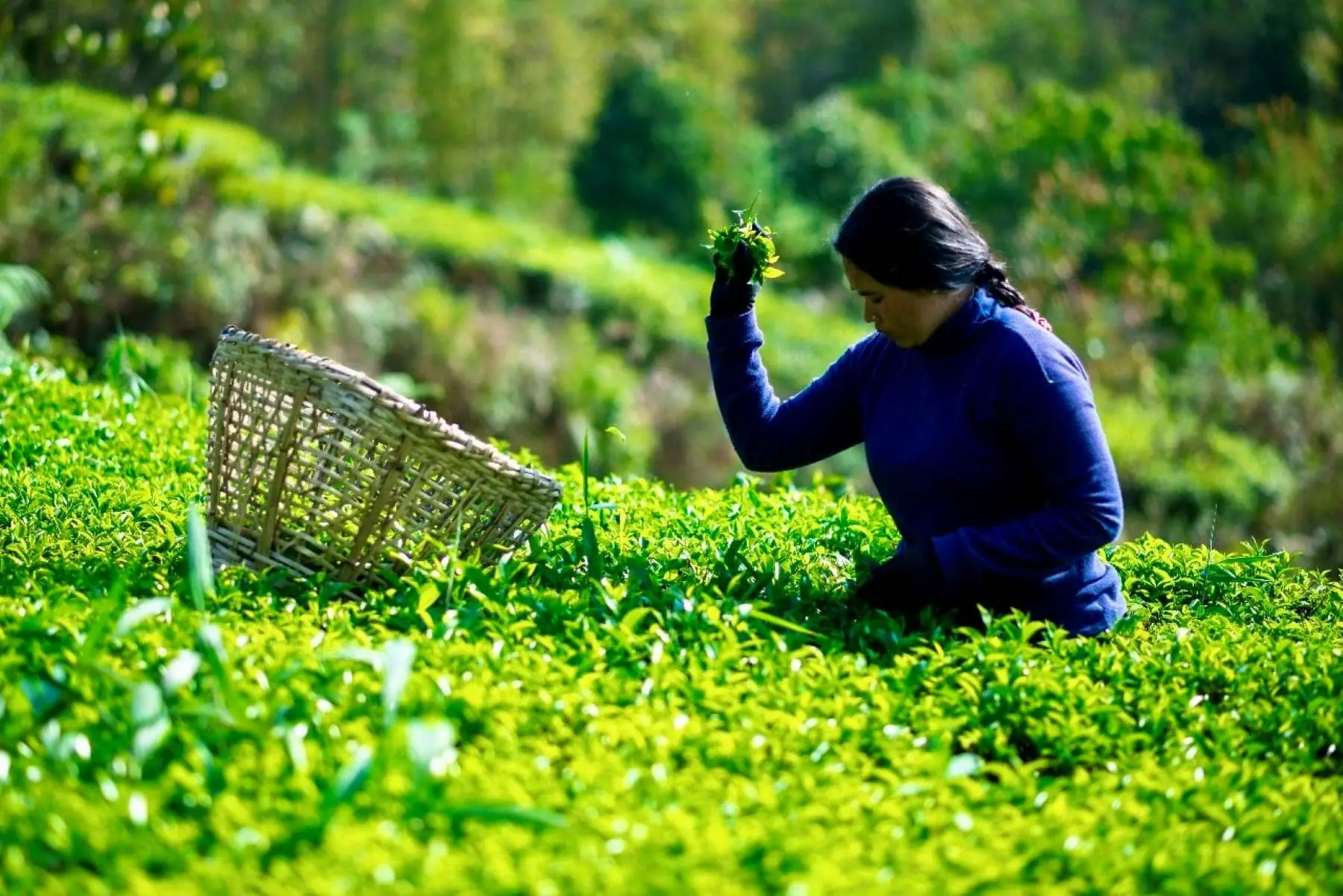
Nepal’s eastern hills are widely known for tea production, with estates and small farmers producing orthodox teas across areas such as Ilam, Panchthar and Dhankuta. Within this industry, organic tea has become an important part of Nepal’s specialty tea sector.
Organic tea in Nepal generally refers to tea grown and processed according to organic production standards, which restrict the use of synthetic pesticides, herbicides and fertilizers. However, simply describing a tea as natural or traditionally grown does not automatically mean that it is certified organic. Certification requires producers to meet specific standards and undergo verification by an appropriate certification body.
Nepal’s varied elevations, hill landscapes and tea-growing traditions allow producers to make different styles of organic tea, including black, green, white and specialty teas. Production can range from established estates to smaller farms and cooperatives, particularly in the country’s eastern tea-growing regions.
This guide explores where organic tea is grown in Nepal, how it is produced, the types available, what organic certification means, and some of the opportunities and challenges facing Nepal’s organic tea producers. For a broader introduction to the country’s tea regions, varieties and history, read our complete guide to Nepal tea.
Table of Contents
What Is Organic Tea in Nepal?
Organic tea in Nepal refers to tea produced under organic farming standards that limit or prohibit the use of synthetic fertilizers, pesticides and other restricted agricultural inputs. However, it is important to distinguish between tea that is simply marketed as “natural” and tea that has been formally certified as organic.
Certification provides a system for verifying how agricultural products are produced. This matters for consumers and export markets because an organic claim should be supported by recognised production standards rather than being used only as a marketing term.
Nepal already has tea producers using organic branding, particularly in Ilam. The National Tea and Coffee Development Board’s producer records include businesses such as Mountain Organic Tea and Khima Organic Chiya Udhyog, showing the presence of organic-focused producers within the country’s wider tea sector.
Where Is Organic Tea Grown in Nepal?
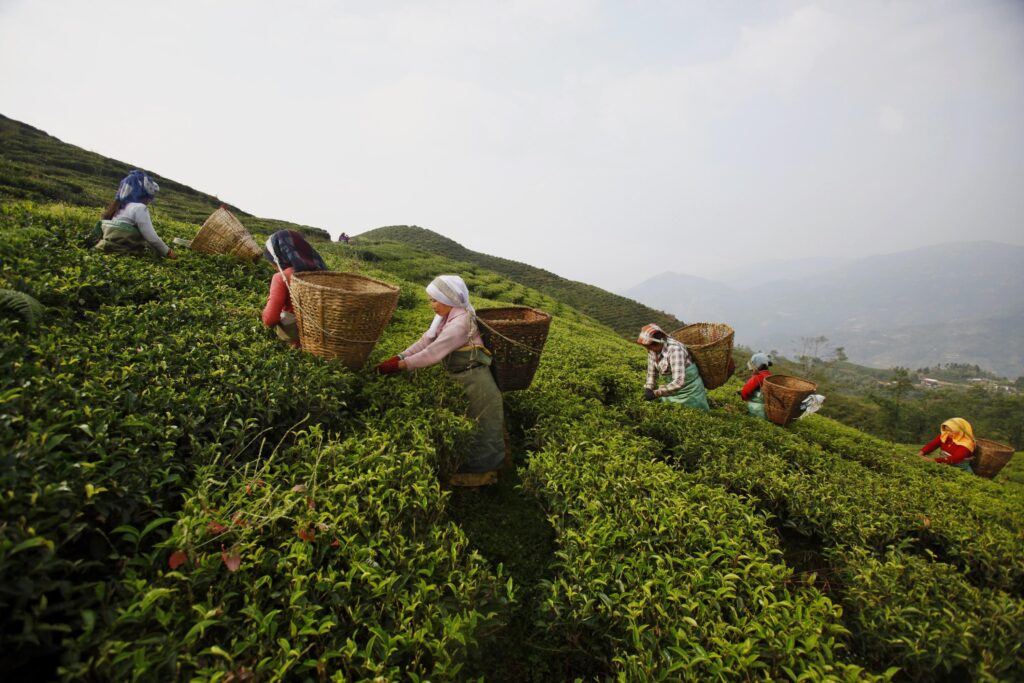
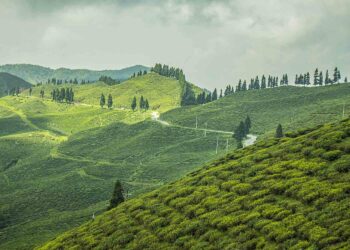
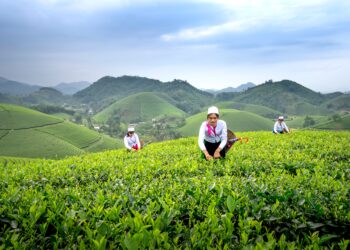
Tea production in Nepal is concentrated heavily in the eastern part of the country. Orthodox tea is particularly associated with hill districts such as Ilam, Panchthar, Dhankuta and Terhathum, although production also takes place in several other districts.
Ilam
Ilam is the most recognisable tea-growing region in Nepal and an important location for orthodox and specialty tea production. Government producer records show numerous Ilam-based producers making orthodox, green and other styles of tea, including businesses using organic tea branding. The district’s established tea industry makes Ilam particularly important when discussing organic and specialty Nepal tea. Learn more about the region’s history, production and tea gardens in our guide to Ilam tea.
Panchthar
Panchthar is another eastern hill district associated with Nepal’s orthodox tea production. Together with Ilam, Dhankuta and Terhathum, it forms part of the broader hill-growing region that supports Nepal’s orthodox tea sector.
Dhankuta and Other Hill Regions
Dhankuta and Terhathum are also established orthodox tea-producing districts. Tea cultivation has additionally expanded into other hill districts, meaning Nepal’s tea-growing geography extends beyond Ilam alone.
These regional differences are important because elevation, local weather, harvesting periods and processing decisions can all influence the finished tea.
How Is Organic Tea Produced in Nepal?
Organic tea production begins in the tea garden. Producers following organic standards must manage soil fertility, pests, weeds and plant health using methods and inputs permitted under the applicable organic standard.
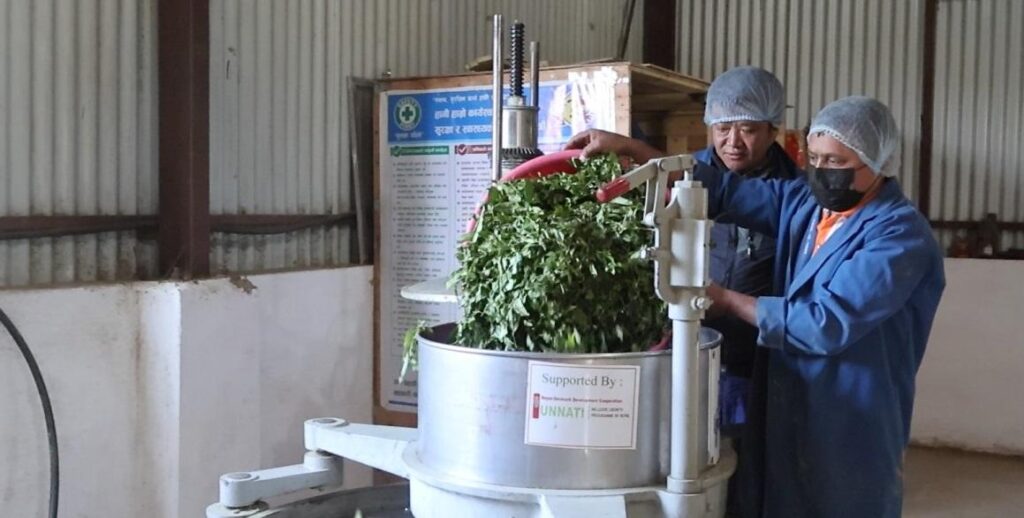
Once tea leaves are harvested, they still need to be processed into the desired tea style. Organic certification relates primarily to how the product is produced and handled; it does not mean that every organic tea undergoes the same processing method.
For example, organically grown leaves can be processed into black, green, white or other specialty teas. Processing choices determine characteristics such as oxidation, appearance and flavour, while organic production standards determine which farming and handling practices are permitted.
This distinction is important: “organic” describes a production standard, while terms such as black, green, white and oolong describe styles of tea created through different processing methods.
Types of Organic Tea Produced in Nepal
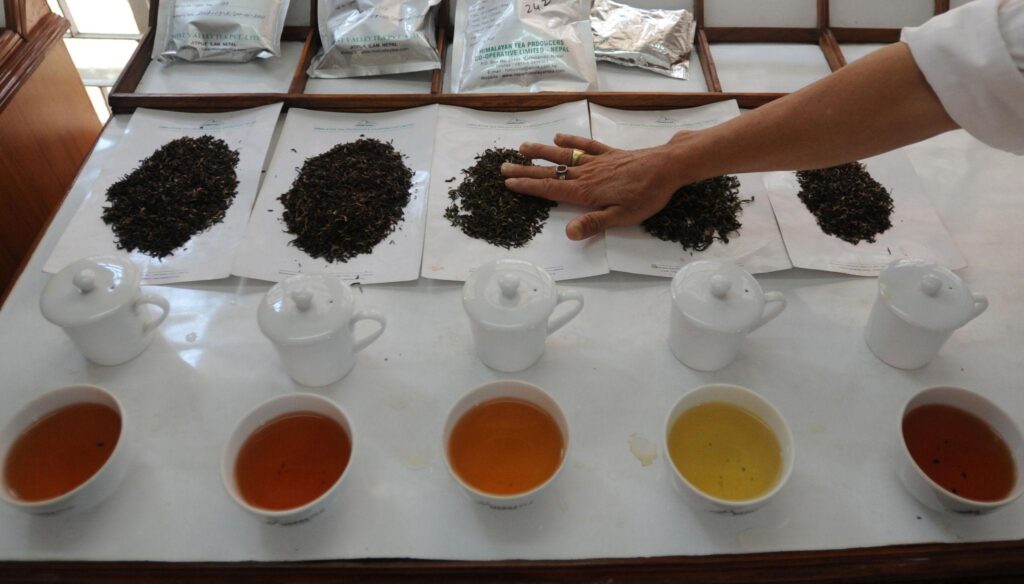
Nepal’s broader orthodox tea industry produces several different tea styles. Organic producers can use similar processing approaches while meeting the requirements of their applicable organic standard.
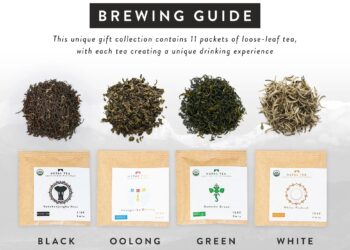
Organic Black Tea
Black tea undergoes substantial oxidation during processing, resulting in darker leaves and a generally fuller infusion.
Organic black tea therefore refers to black tea made from leaves grown and handled according to the relevant organic requirements. The word “organic” does not describe the colour or processing style of the tea itself.
Organic Green Tea
Green tea is produced by limiting oxidation after harvesting. Nepal’s National Tea and Coffee Development Board lists numerous producers in Ilam making green tea, demonstrating that green tea is an established part of the region’s tea sector.
Organic green tea combines this processing style with organic production requirements at the farming and handling stages.
Organic White Tea
White tea generally involves comparatively minimal processing and is often made using young leaves or buds. Nepal’s specialty tea sector includes white tea among the styles produced through orthodox processing.
Organic white tea follows the same basic distinction: the tea style is determined by harvesting and processing, while its organic status depends on how it was grown, handled and certified.
Organic Oolong and Specialty Tea
Oolong tea is partially oxidised, placing its processing broadly between green and fully oxidised black tea. Nepal’s specialty tea producers also experiment with different hand-rolled and specialty teas.
This gives organic producers opportunities to offer products beyond conventional black and green tea, particularly for specialty markets.
What Does Organic Certification Mean?
Organic certification is important because consumers cannot determine whether a tea was produced organically simply by looking at the dried leaves.
Certification or another recognised assurance system provides a way of checking whether producers have followed defined organic production requirements.
Nepal has also experimented with locally accessible approaches to organic verification. The Food and Agriculture Organization reported in 2025 on the use of a Participatory Guarantee System in Nepal, which allows participating farmers to validate organic production locally. This example was not specific to Nepal’s tea industry, but it demonstrates how organic verification systems can support smaller agricultural producers.
For tea buyers, the practical lesson is simple: do not assume that every tea described as natural, Himalayan or traditionally grown is certified organic. Look for information about the certification standard, certifying organisation and producer when organic certification matters to your purchasing decision.
Organic Tea vs Conventional Tea
The main difference between organic and conventional tea lies in the farming standards used during cultivation and handling.
Certified organic tea must be produced according to defined organic requirements, including restrictions on certain synthetic agricultural inputs. Conventional tea production can use agricultural inputs that may not be permitted under an organic standard.
However, “organic” should not automatically be interpreted as meaning that a tea tastes better or is higher quality. The quality of the finished tea can also depend on factors such as the quality of the harvested leaves, growing conditions, harvest season, processing methods and storage.
For consumers, the most important distinction is therefore whether an organic claim can be supported by an appropriate certification or verification system.
Why Nepal’s Geography Is Suitable for Tea Growing
Nepal’s tea industry covers very different landscapes and elevations. Government tea-sector documents distinguish lower-altitude CTC production in the Terai from orthodox tea grown mainly at higher elevations in the eastern mid-hills.
Areas such as Ilam, Panchthar, Dhankuta and Terhathum are particularly associated with orthodox tea production. Seasonal changes also create distinct harvesting periods, commonly known as flushes.
These geographical differences contribute to the diversity of Nepal’s tea production. However, geography alone does not make a tea organic. Organic status depends on the farming, handling and verification requirements followed by the producer
Challenges Facing Organic Tea Producers in Nepal
Producing and marketing organic tea can create opportunities for Nepalese farmers and tea businesses, but it can also involve additional challenges.
Certification and Verification
Organic claims need credible verification. For smaller producers, certification processes can involve additional documentation, monitoring and costs. Alternative approaches such as Participatory Guarantee Systems have been used in Nepalese agriculture to make organic verification more accessible to some smallholder farmers.
Maintaining Consistent Production
Tea farming depends on weather, seasonal harvesting and plant health. Organic producers must manage soil fertility, weeds and pests while following the requirements of the organic standard they use.
Market Access
Producing specialty tea does not automatically guarantee access to premium buyers. Producers may also need reliable processing, quality control, packaging, traceability, branding and connections with domestic or international markets.
These challenges show why the development of Nepal’s organic tea sector involves more than simply growing tea without certain synthetic inputs.
How to Choose Organic Tea from Nepal
Consumers looking for organic Nepal tea should examine more than the word “organic” on the front of a package.
Look for information about the producer, growing region, tea type and certification or verification system. If a product claims to be certified organic, the packaging or producer information should help identify the relevant certification.
It is also useful to check whether the tea is black, green, white, oolong or another specialty style, because organic certification does not tell you how the finished tea will taste.
The growing region can provide additional context. For example, Ilam is one of Nepal’s major orthodox tea-producing districts and is home to numerous tea producers listed by the National Tea and Coffee Development Board.
Ultimately, choose tea according to both the credibility of its organic claim and the type of tea you actually enjoy drinking.
Frequently Asked Questions About Organic Tea in Nepal
What is organic tea in Nepal?
Organic tea in Nepal generally refers to tea grown and handled according to organic production standards. Certified organic tea must meet the requirements of the applicable certification or verification system.
Where is organic tea grown in Nepal?
Organic-focused and specialty tea production is particularly associated with Nepal’s eastern tea-growing regions. Ilam is especially important, while Panchthar, Dhankuta, Terhathum and other hill districts contribute to Nepal’s wider orthodox tea industry.
Is all Nepal tea organic?
No. Tea being grown in Nepal does not automatically make it organic. Consumers should distinguish between general Nepal tea, tea marketed as natural and tea carrying a credible organic certification or verification.
What types of organic tea are produced in Nepal?
Organic tea leaves can be processed into different styles, including black, green, white, oolong and other specialty teas. “Organic” describes the production standard rather than a specific type of tea.
Is organic tea the same as orthodox tea?
No. Organic and orthodox describe different things. Organic relates to farming and production standards, while orthodox refers to a method of processing tea leaves. An orthodox tea may be organic or conventionally produced.
How can I tell whether Nepal tea is certified organic?
Check the packaging or producer information for details about the certification or verification system. Avoid assuming that terms such as “natural,” “Himalayan” or “traditional” automatically mean certified organic.
Exploring Organic Tea from Nepal
Organic tea represents one part of Nepal’s diverse and developing tea industry. The country’s eastern hill regions produce orthodox and specialty teas that can be processed into black, green, white, oolong and other styles.
Understanding organic Nepal tea requires looking beyond marketing labels. Growing region, processing method, producer practices, traceability and credible certification or verification all help consumers understand what they are buying.
For Nepal’s tea producers, organic production can create opportunities within specialty markets while also bringing challenges related to certification, consistency, quality control and market access.
As the Nepal Tea Guide grows, we will explore individual growing regions, tea varieties, producers, processing methods and the wider Nepal tea industry in greater detail.
Want to learn more about Nepal tea? Explore our guides to Nepal’s tea varieties, growing regions, production methods and tea culture.




Comments 1