Introduction
Nepal has a tea-growing tradition that stretches back more than a century. From the green hills of Ilam to other tea-producing areas of eastern Nepal, tea has developed into an important agricultural product with a growing presence beyond the domestic market.
Nepal produces different styles of tea, including orthodox and CTC tea, as well as black, green, white and oolong teas produced through different processing methods. The country’s geography also creates very different growing environments, from the plains of the Terai to high-altitude tea gardens in the eastern hills.
This guide explores the story of Nepal tea: its history, major growing regions, types of tea, production methods, tea culture and industry. It also serves as a starting point for exploring the individual topics covered in more detail throughout Nepal Tea Guide.
Table of Contents
What Is Nepal Tea?
Nepal tea refers to tea grown and processed in Nepal. The country produces both orthodox and CTC tea, with growing conditions and processing methods playing an important role in the characteristics of the finished product.
Orthodox tea is associated mainly with Nepal’s higher-altitude, eastern mid-hill growing areas, while CTC tea is cultivated primarily at lower elevations and in the Terai plains. Although the terms are sometimes treated as different kinds of tea, they also describe different approaches to processing the harvested leaves.
Nepal’s orthodox tea can be processed into different styles, including black, green, white and oolong tea. This variety means that “Nepal tea” does not describe one single flavour or type of tea. Instead, it is a broad term covering teas produced across the country’s different growing regions and processing traditions.
History of Tea in Nepal
The history of commercial tea cultivation in Nepal is closely connected with Ilam in eastern Nepal. According to Nepal’s National Tea and Coffee Development Board, organised tea cultivation began with the establishment of Ilam Tea Estate in 1863. Historical accounts also connect the introduction of tea plants to Jung Bahadur Rana and Gajaraj Singh Thapa, who played an important role in the early development of tea cultivation in Ilam.
Nepal’s tea industry developed gradually. The Nepal Tea Development Corporation was established by the government in 1966, while the first tea-processing factory in Ilam was established in 1978. This was important because tea leaves produced in Nepal had previously been sent to factories in Darjeeling for processing.
Another significant development came in 1982, when the Government of Nepal designated Jhapa, Ilam, Panchthar, Dhankuta and Terhathum as tea zones. The National Tea and Coffee Development Board was later formed in 1993 to support further development of the sector.
Where Is Tea Grown in Nepal?
Tea production in Nepal is strongly associated with the eastern part of the country, although growing conditions vary considerably between the hills and the southern plains. The five districts historically designated as Nepal’s tea zones are Ilam, Jhapa, Panchthar, Dhankuta and Terhathum.
Ilam
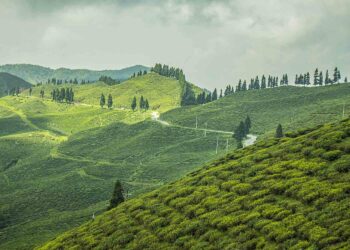
Ilam is perhaps Nepal’s best-known tea-growing district. Its landscape of sloping tea gardens has become closely associated with Nepal’s tea identity, and tea is also an important part of the district’s agricultural economy and tourism appeal. The Nepal Tourism Board describes Ilam as famous for tea and highlights its tea gardens as one of the area’s major attractions.For a deeper look at the region, read our complete guide to Ilam tea.
Jhapa
Jhapa represents a different tea-growing environment from the higher hills. Lower-altitude areas are particularly associated with CTC production, while Nepal’s orthodox tea production is concentrated more heavily in higher-altitude areas. This geographical difference helps explain why Nepal’s tea industry includes distinct production systems rather than one uniform style of tea.
Panchthar, Dhankuta and Terhathum
Panchthar, Dhankuta and Terhathum are also part of Nepal’s historically designated tea-growing zone. Together with Ilam and Jhapa, these districts helped establish eastern Nepal as the country’s principal tea-producing region.
Types of Tea Produced in Nepal
Nepal produces two broad categories of tea: orthodox tea and CTC (Crush, Tear, Curl) tea. The distinction is mainly based on how the harvested tea leaves are processed. Within orthodox production, tea makers can produce different styles, including black, green, white and oolong teas.
The geography of production also differs. Orthodox tea is mainly associated with Nepal’s hill districts, while CTC production is concentrated largely in the plains, particularly Jhapa. This gives Nepal a tea industry that ranges from everyday CTC teas to higher-value orthodox and specialty teas.
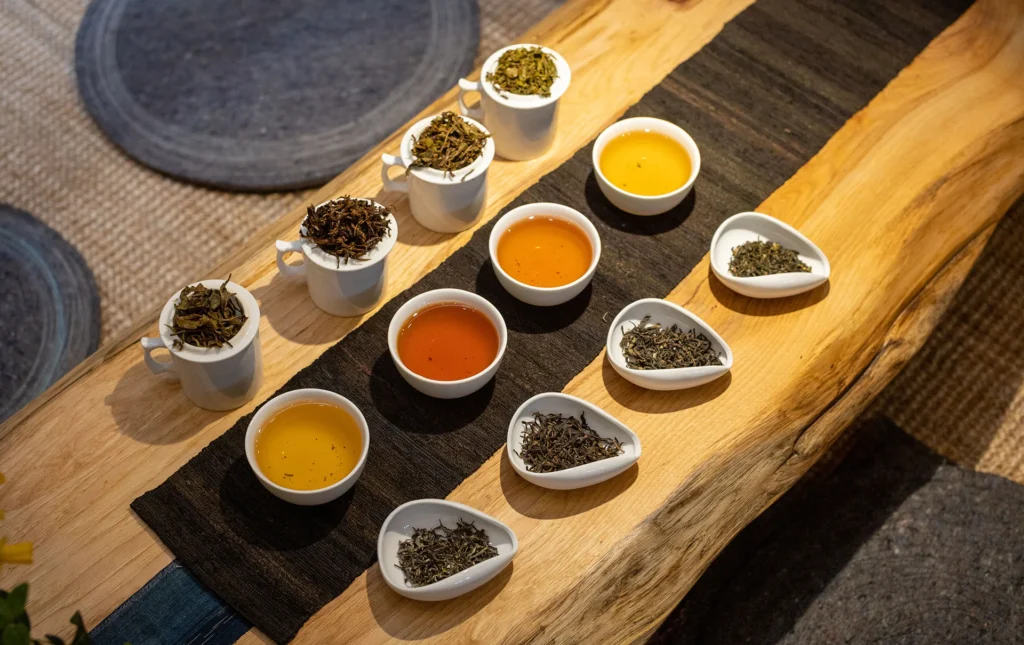
Orthodox Tea
Orthodox tea is produced using processing methods that preserve more of the structure of the harvested leaf compared with CTC processing. Nepal’s National Tea and Coffee Development Board describes orthodox tea production as concentrated mainly in hill districts such as Ilam, Panchthar, Dhankuta and Terhathum, with production also found in several other districts.
Orthodox tea is especially important to Nepal’s specialty-tea sector. Different processing choices allow producers to turn harvested leaves into several styles of finished tea.
Black Tea
Black tea undergoes greater oxidation during processing than green or white tea. This produces a darker infusion and generally a fuller flavour.
Nepal’s orthodox tea sector produces black teas alongside other specialty styles. Seasonal harvesting also matters: Nepal’s Tea and Coffee Development Board identifies spring, summer/second, monsoon and autumn harvest periods, commonly referred to as flushes, which can produce teas with different characteristics.
Green Tea
Green tea is also produced by a number of Nepali tea producers. Unlike black tea, its processing limits oxidation, helping the leaves retain characteristics associated with green tea.
The National Tea and Coffee Development Board’s producer records show numerous producers in Ilam making both orthodox and green tea, demonstrating that green tea forms an established part of Nepal’s tea production.
White and Oolong Tea
White and oolong teas form part of Nepal’s smaller specialty-tea segment. A government study of orthodox tea notes that specialty products such as green, oolong, white and hand-rolled teas fall within Nepal’s broader orthodox category.
These teas are particularly useful topics for our website because later we can create separate guides explaining how each type is produced, brewed and distinguished from the others.
CTC Tea
CTC stands for Crush, Tear and Curl, referring to the mechanical processing method used to produce the tea.
In Nepal, CTC production is concentrated mainly in Jhapa and the lower plains, whereas orthodox production is more strongly associated with the hills. Nepal’s national tea export strategy also shows that historically CTC accounted for a considerably larger share of total tea production by volume than orthodox tea.
How Is Nepal Tea Produced?
Tea production involves several stages between the tea garden and the finished cup. The exact process depends on the style of tea being produced, so an orthodox black tea, green tea and white tea will not necessarily follow identical processing methods.
For orthodox tea, careful handling of the harvested leaves is particularly important. Processing decisions influence oxidation, appearance, aroma and the characteristics of the finished tea.
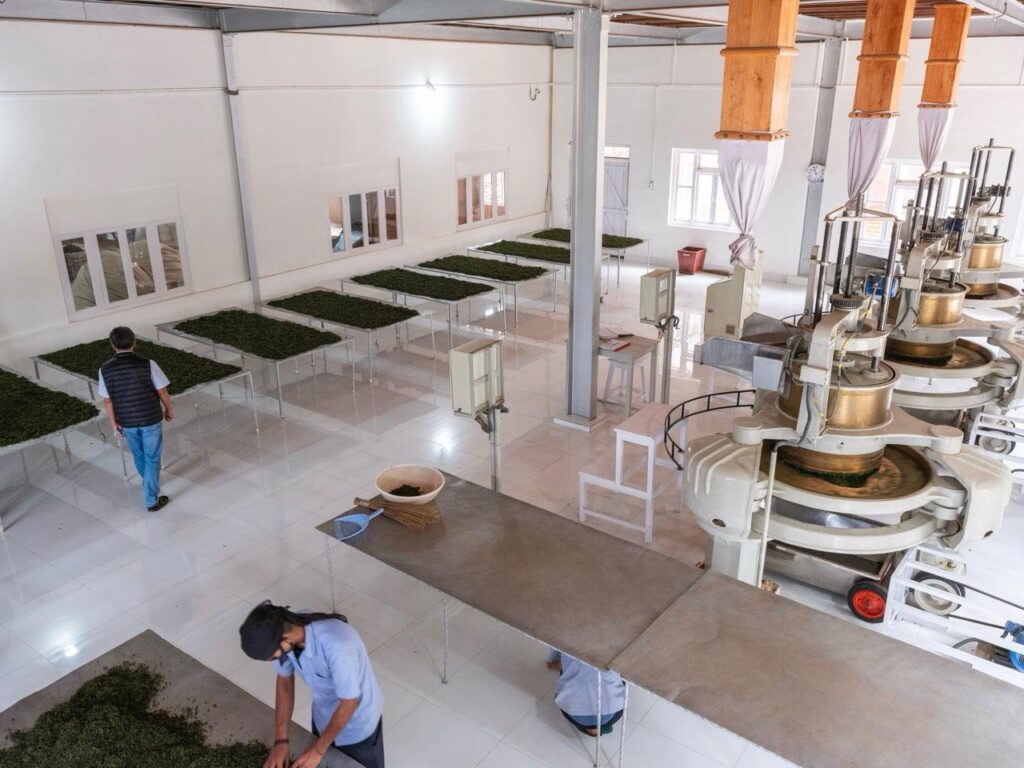
Harvesting and Tea Flushes
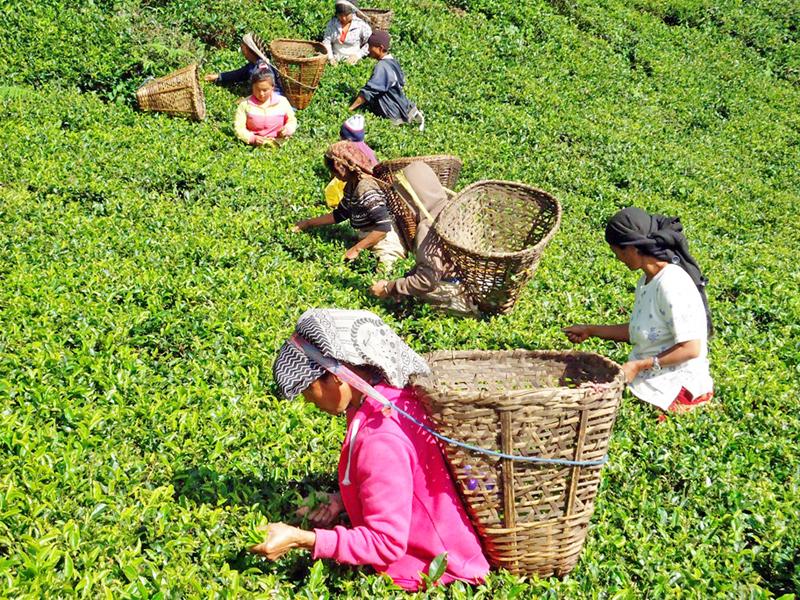
Nepal’s Himalayan orthodox tea has distinct seasonal harvesting periods known as flushes. The National Tea and Coffee Development Board describes first flush teas as spring harvests, followed by second flush, monsoon flush and autumn flush teas.
These seasonal harvests can produce different characteristics because the growing conditions and maturity of the leaves change throughout the year.
Processing the Leaves
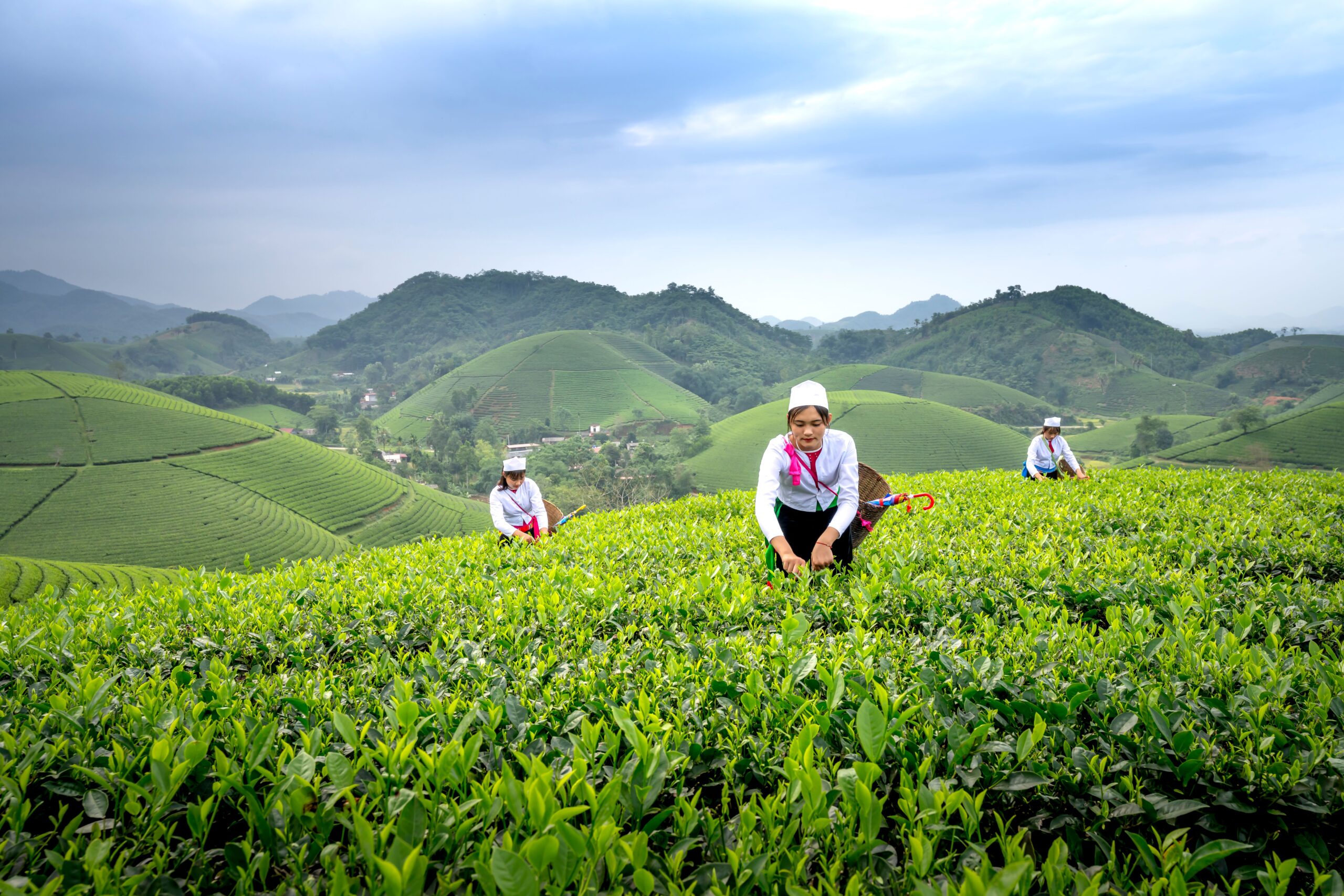
After harvesting, tea leaves undergo processing according to the intended style of tea. Orthodox production may involve stages such as withering, rolling, oxidation and drying, although the exact sequence and treatment depend on whether the producer is making black, green, white, oolong or another specialty tea.
Rather than treating all Nepali tea as one product, understanding these processing differences helps explain why teas grown in similar regions can still look and taste very different.
What Makes Nepal Tea Distinctive?
One of the most interesting features of Nepal’s tea industry is its geography. Tea is produced across very different elevations and landscapes, from the plains of Jhapa to hill-growing areas such as Ilam, Panchthar and Dhankuta.
Government research into orthodox tea describes production in Nepal’s mountainous regions at roughly 3,000–7,000 feet above sea level, while the wider industry includes lower-altitude CTC production.
Nepal also has a developing specialty-tea sector. Producers can use orthodox processing to create black, green, white, oolong and hand-rolled teas, giving consumers a much broader range of products than the term “Nepal tea” might initially suggest.
Tea Culture and Tourism in Nepal
Tea in Nepal is more than an agricultural commodity. Drinking tea is part of everyday social life, while tea-growing landscapes have also become attractions for domestic and international visitors.
Ilam provides the clearest example of the connection between tea and tourism. The Nepal Tourism Board describes the district as famous for tea and highlights activities such as walking through tea gardens, sightseeing and visiting areas such as Kanyam Tea Estate.
The rolling tea-covered hills have therefore become part of Ilam’s identity as both an agricultural region and a tourism destination. This creates opportunities for visitors to understand where Nepali tea comes from while experiencing the landscapes and communities associated with its production.
Nepal Tea Industry
Nepal’s tea industry includes farmers, tea estates, cooperatives, processors, factories, traders and exporters. Orthodox and CTC tea also have different production geographies and value chains, with orthodox tea concentrated more heavily in the hills and CTC tea in the plains.
Tea is also an export-oriented agricultural product for Nepal. Government sector studies show that India has historically been the dominant destination for Nepal’s tea exports, while specialty orthodox tea provides opportunities to reach additional international markets.
However, production figures and export values change from year to year. The National Tea and Coffee Development Board publishes official tea statistics covering production, plantation area, imports and exports. Detailed current statistics are better covered in a dedicated Nepal Tea Industry article where the data can be regularly updated.
How to Brew Nepal Tea
There is no single brewing method that works perfectly for every Nepali tea. A delicate green or white tea may require different water temperatures and steeping times from a fully oxidised black tea.
As a general approach, start by checking the producer’s brewing instructions. Use fresh water, measure the tea consistently and avoid automatically using boiling water for every variety. You can then adjust the amount of tea, water temperature and steeping time according to the particular tea and your preferred strength.
Frequently Asked Questions About Nepal Tea.
Exploring the World of Nepal Tea
Nepal’s tea story brings together history, geography, agriculture and culture. From the historic tea-growing hills of Ilam to production areas across eastern Nepal, the country produces a diverse range of teas, including orthodox, CTC, green, black, white and oolong varieties.
Understanding Nepal tea goes beyond simply knowing the different types. The growing region, altitude, harvesting season and processing method can all influence the characteristics of the finished tea. At the same time, tea supports farmers, producers and businesses while contributing to Nepal’s agricultural and export economy.
For visitors and tea enthusiasts, places such as Ilam also offer an opportunity to experience Nepal’s tea-growing landscapes and learn more about the people and processes behind the tea.
This guide provides a starting point for understanding Nepal tea. As Nepal Tea Guide grows, we’ll explore individual tea varieties, growing regions, tea estates, production methods, brewing techniques, tea culture and Nepal’s tea industry in greater detail.