Introduction
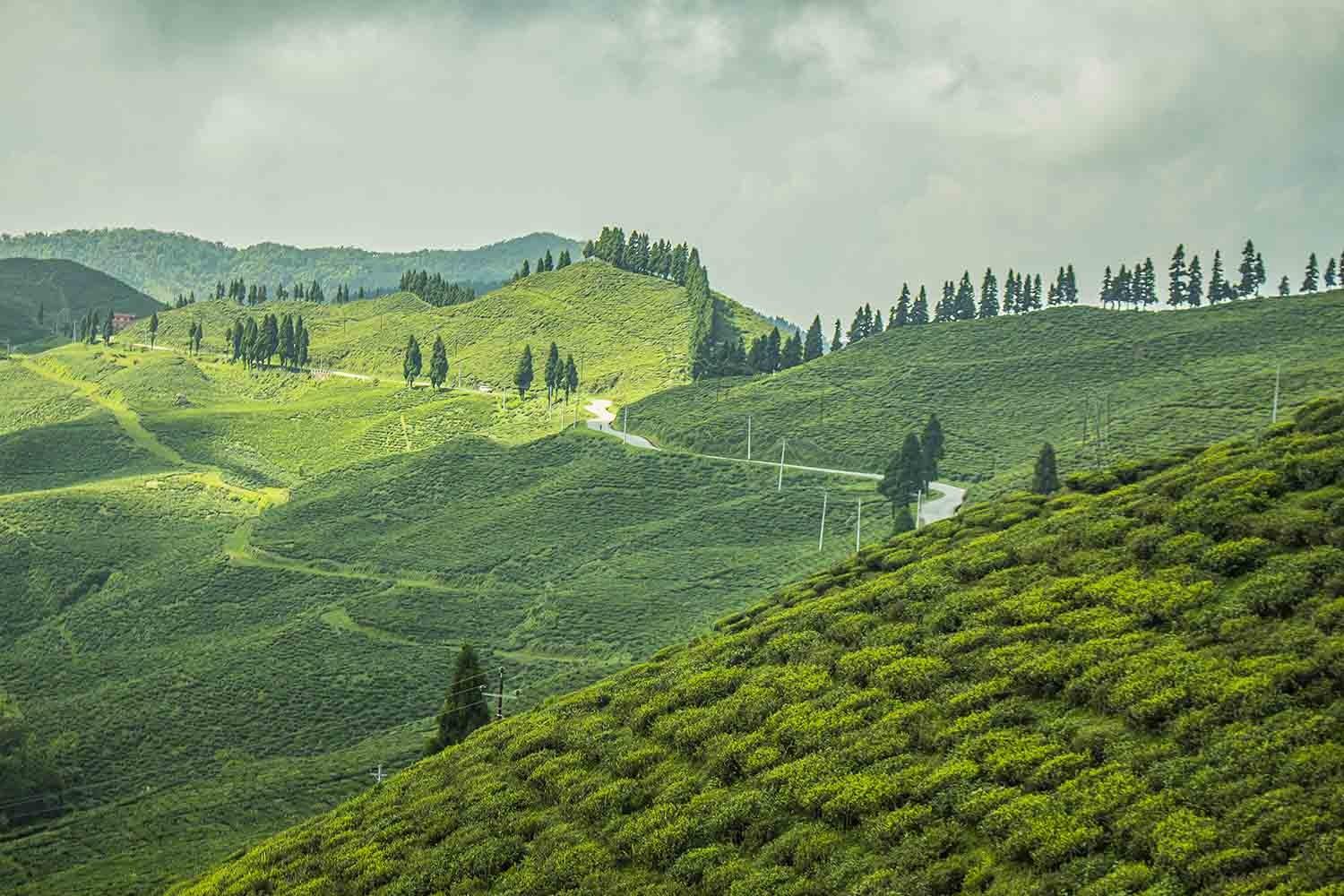
Ilam is one of Nepal’s best-known tea-growing regions. Located in the eastern hills of the country, the district is recognised for its rolling tea gardens, long history of tea cultivation and important role in Nepal’s orthodox tea industry.
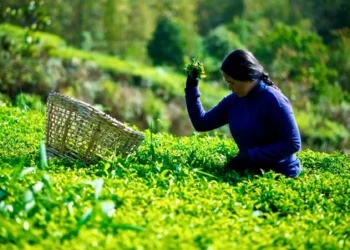
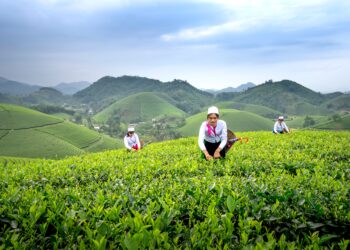
Tea has also become closely connected with Ilam’s identity. Visitors to the region encounter hills covered with tea bushes, while local farmers, estates and tea processors contribute to an industry that supplies tea to domestic and international markets.
Ilam tea is not one single type of tea. Producers in the district make different styles, including black, green and specialty teas. Differences in growing location, harvesting season and processing methods can result in teas with very different characteristics.
This guide explores the history of Ilam tea, its growing environment, major tea types, production methods, harvesting seasons and the connection between Ilam’s tea gardens and tourism.For a broader overview of the country’s tea history, varieties and production, read our complete guide to Nepal tea.
Table of Contents
What Is Ilam Tea?
Ilam tea refers to tea grown and processed in Ilam, a hill district in eastern Nepal that has played a central role in the country’s tea industry. Rather than describing one particular variety, the term covers different styles of tea produced from leaves grown within the district.
Ilam is particularly associated with orthodox tea production. Unlike CTC tea, which is produced mainly in Nepal’s lower-altitude areas, orthodox tea production is concentrated more heavily in the country’s hill regions.
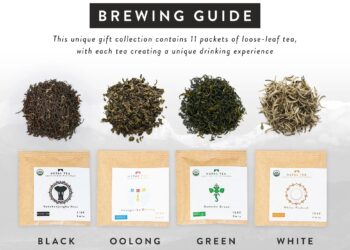
Tea from Ilam can be processed into different styles, including black, green, white and oolong teas. The characteristics of the finished tea can vary according to factors such as growing location, harvest season, leaf selection and processing method.
This variety is one reason it is useful to think of Ilam tea as a regional origin rather than a single type or flavour of tea.
History of Tea in Ilam
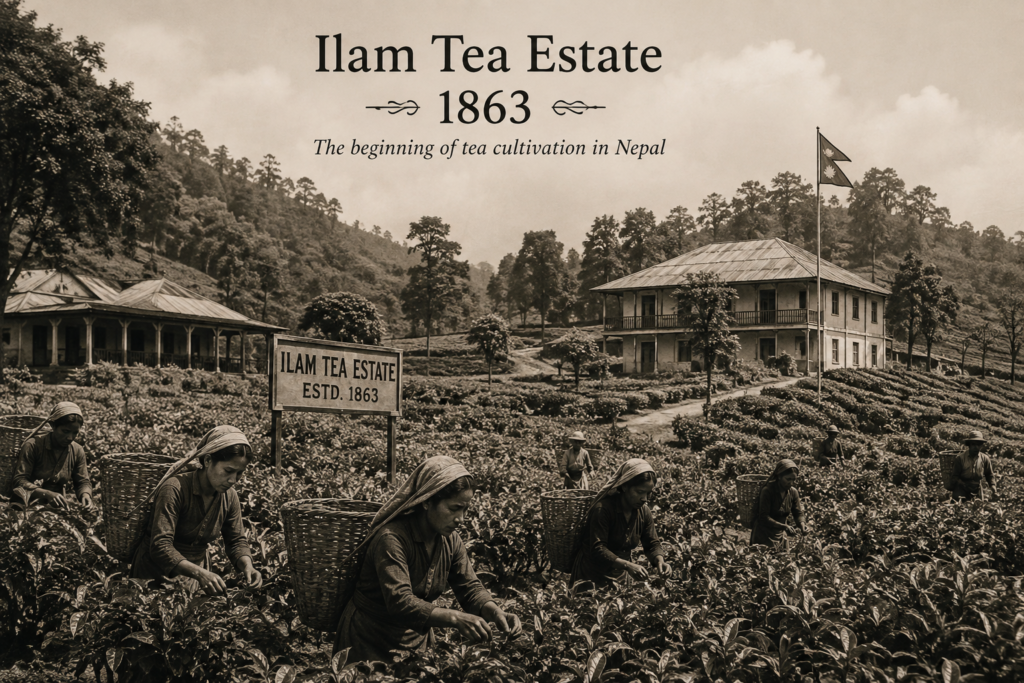
Ilam has an important place in the history of Nepal’s tea industry. According to Nepal’s National Tea and Coffee Development Board, tea cultivation in Nepal began with the establishment of Ilam Tea Estate in 1863. Historical accounts connect the beginning of tea cultivation with Gajaraj Singh Thapa, who introduced tea planting in Ilam.
Nepal’s tea sector developed gradually after these early plantations. For many years, Nepal lacked sufficient processing facilities and green tea leaves were sent to factories in Darjeeling for processing. A tea-processing factory was eventually established in Ilam in 1978.
Another important development came in 1982 when the Government of Nepal designated Ilam, Jhapa, Panchthar, Dhankuta and Terhathum as tea zones. This helped establish eastern Nepal as the country’s principal tea-producing region.
Today, Ilam’s connection with tea extends beyond agriculture. Its tea gardens have become part of the district’s identity and tourism appeal.
Why Is Ilam Famous for Tea?
Ilam is famous for tea partly because of its long history of cultivation and partly because tea gardens have become a defining feature of the district’s landscape.
The Nepal Tourism Board describes Ilam as famous for its tea and highlights its sloping tea gardens as one of the area’s major attractions. Tea is also described as the district’s biggest industry among its major cash crops.
Places such as Kanyam and Fikkal are particularly associated with Ilam’s tea landscape. Nepal Tourism Board tourism material identifies their large tea estates as attractions for sightseeing, photography and picnics.
This combination of tea history, commercial production and tourism has made Ilam one of the places most strongly associated with Nepal’s tea identity.
Where Is Tea Grown in Ilam?
Tea cultivation is spread across different parts of Ilam district in eastern Nepal. Among the best-known tea areas are Kanyam and Fikkal, where large tea estates have become closely associated with the landscape and tourism of the district. Nepal Tourism Board specifically highlights these areas for their tea estates and popularity among visitors.
However, Ilam’s tea industry extends beyond these well-known tourist locations. The National Tea and Coffee Development Board lists numerous producers throughout Ilam, including producers associated with Kanyam, Sri Antu, Joubari and other parts of the district.
This combination of larger estates, smaller producers and cooperatives means that Ilam tea does not come from one single garden or location.
Climate and Elevation of Ilam’s Tea Gardens
Ilam has a highly varied landscape. Across the district as a whole, elevations range from approximately 140 metres to 3,636 metres above sea level, although this does not mean tea is cultivated throughout that entire elevation range.
Nepal’s National Tea and Coffee Development Board describes orthodox tea production more broadly as taking place in mountainous regions at roughly 3,000–7,000 feet (about 900–2,100 metres) above sea level. Individual producer records from Ilam also show tea businesses operating at different elevations.
Elevation is only one part of the growing environment. Temperature, rainfall, soil, sunlight and seasonal weather can also influence the development of tea plants and the characteristics of harvested leaves.
For this reason, teas produced in different gardens within Ilam may have different characteristics even when they are processed using similar methods.
Types of Tea Produced in Ilam
Ilam produces several styles of tea rather than one standard product. The National Tea and Coffee Development Board’s producer directory lists numerous Ilam businesses producing orthodox tea, green tea and other specialty styles
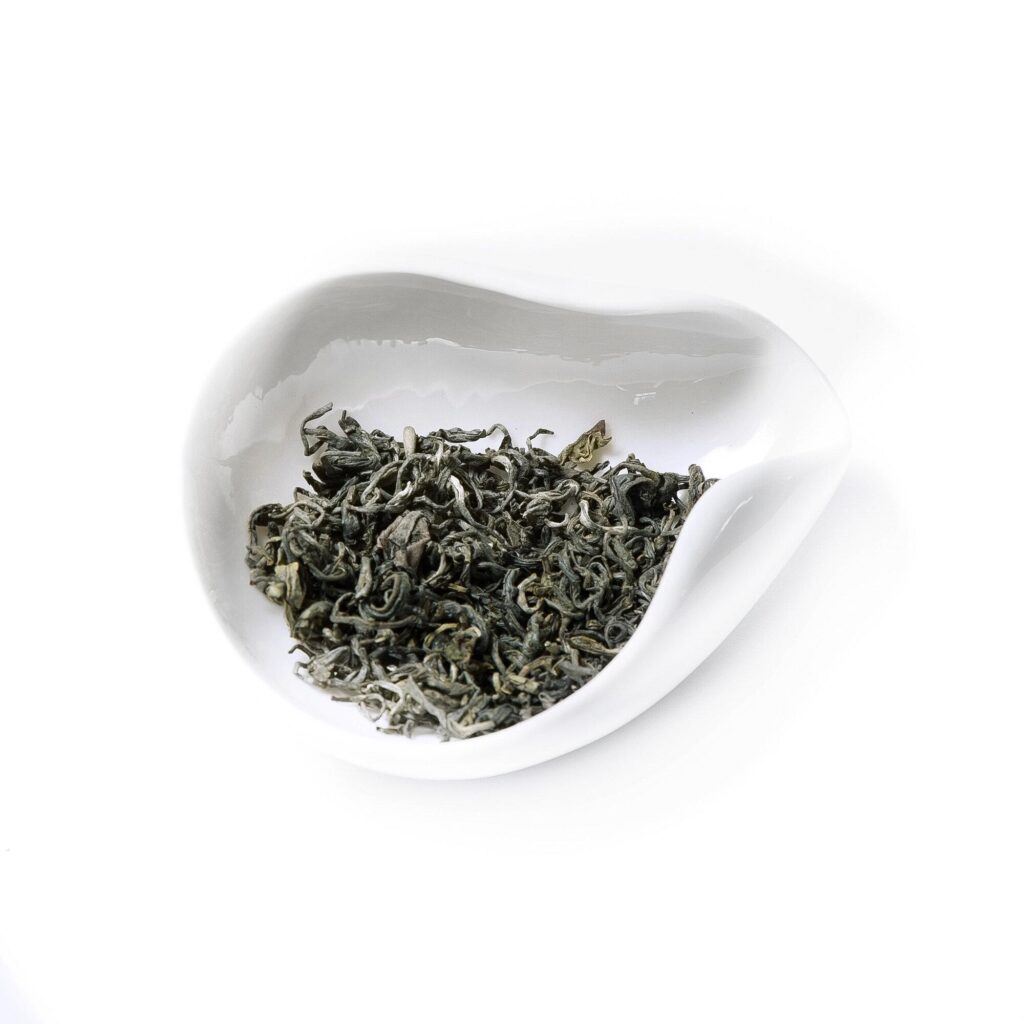
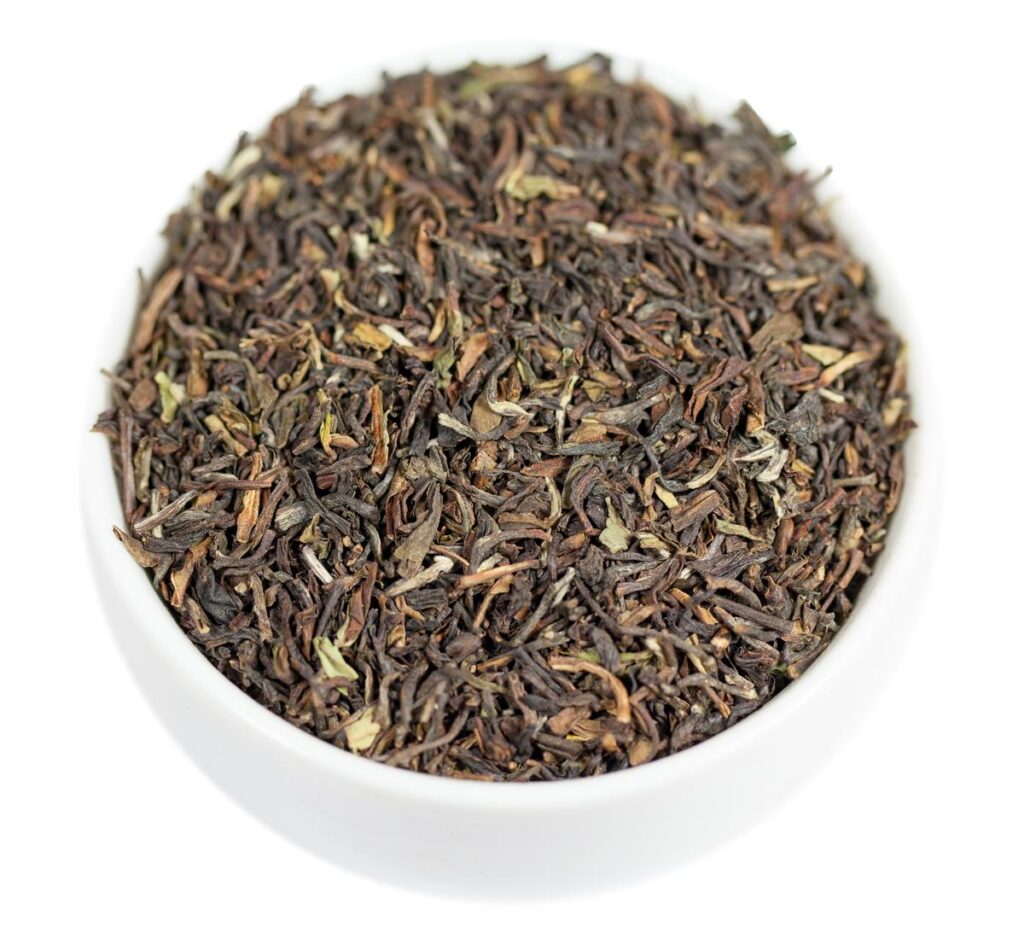
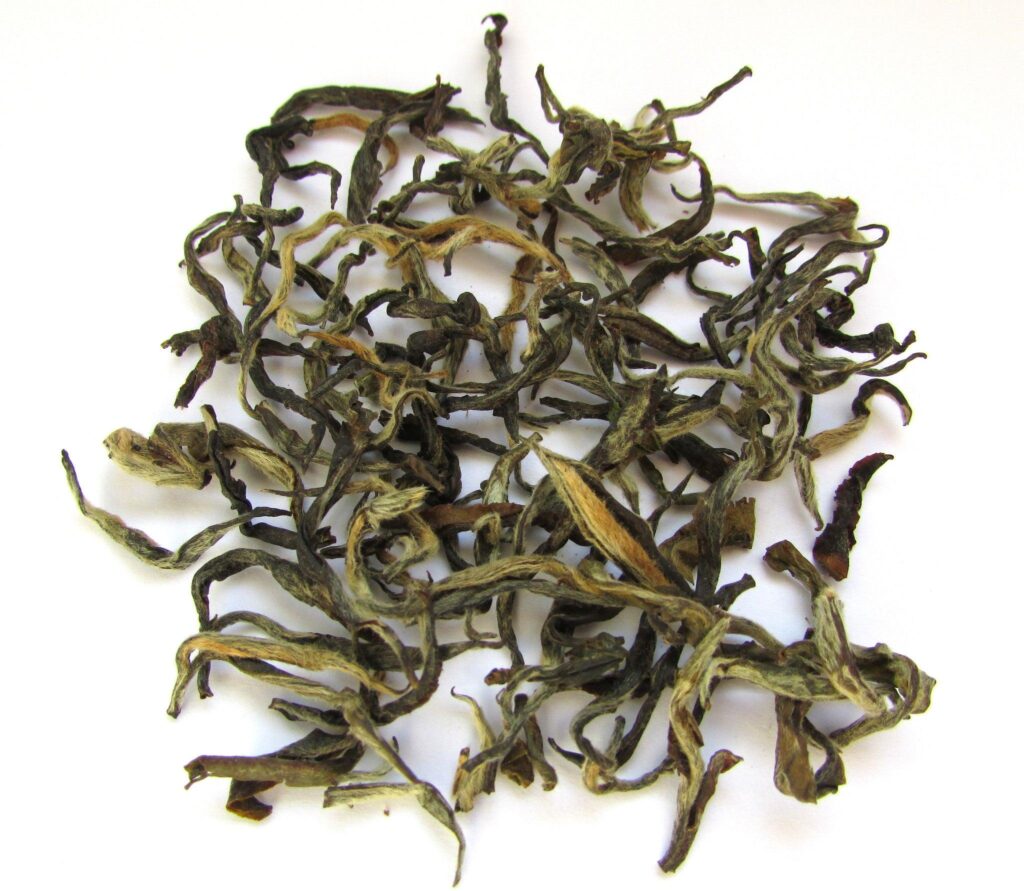
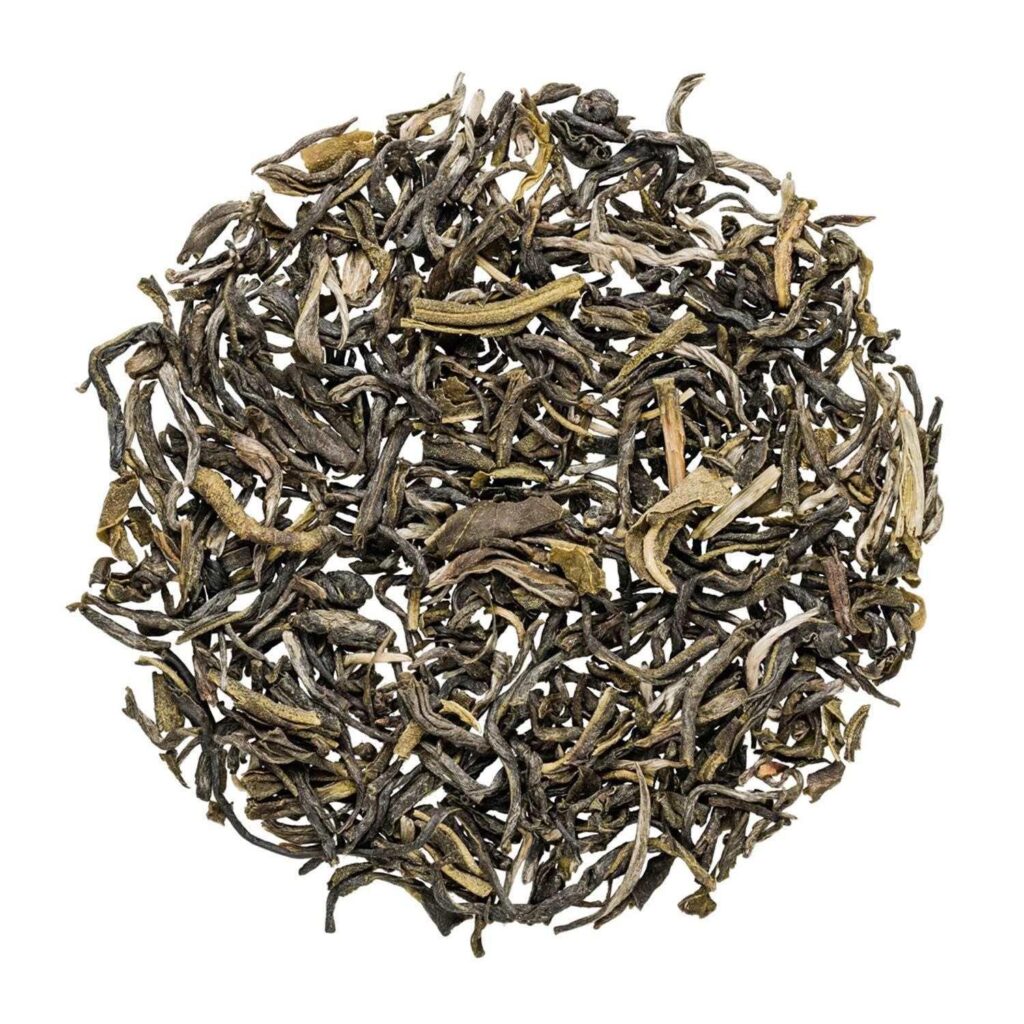
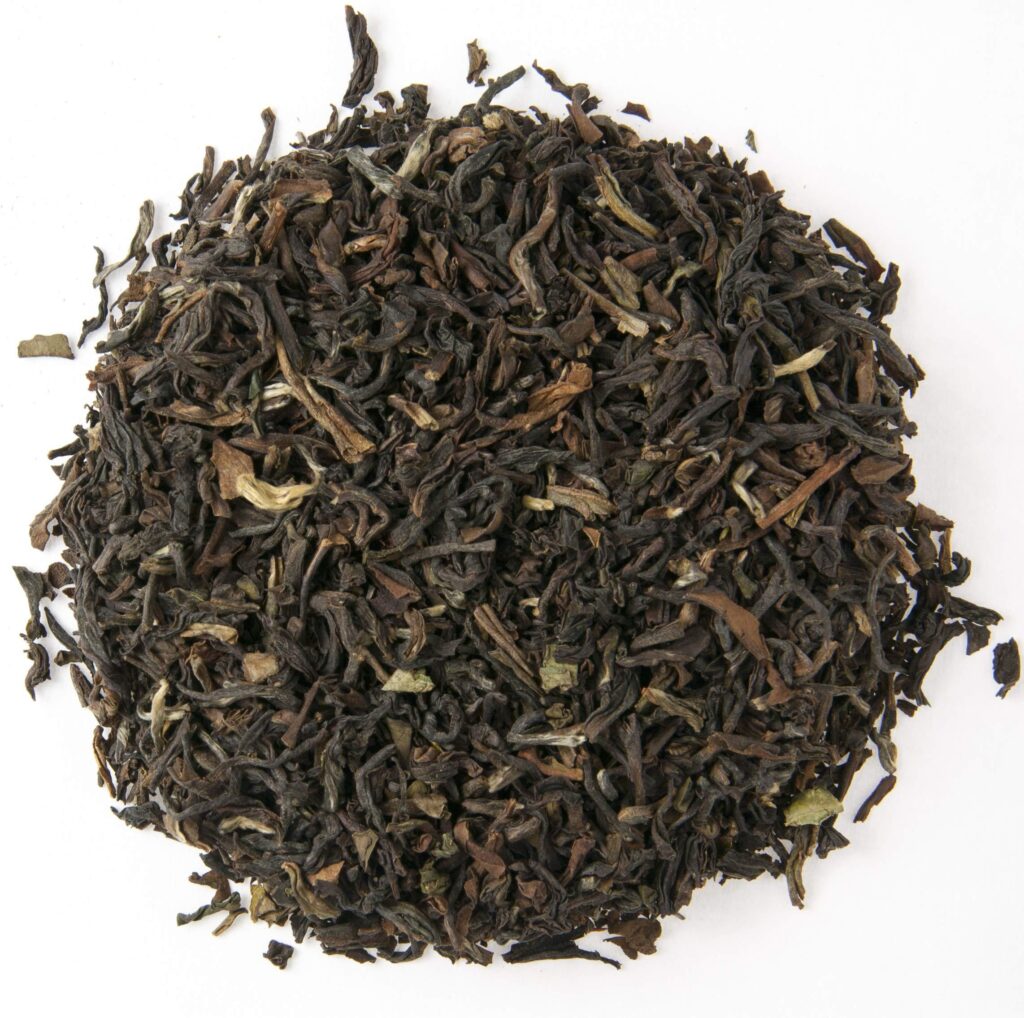
Tea grown in Ilam can be processed into black, green and various specialty tea styles.
Black Tea
Black tea is one of the styles that can be produced through orthodox processing. After harvesting, the leaves generally undergo stages including withering, rolling, oxidation and drying.
The degree of oxidation and decisions made during processing influence the appearance, aroma and flavour of the finished tea.
Green Tea
Green tea is also widely represented among Ilam’s registered tea producers. Unlike black tea, oxidation is limited during green-tea processing, helping the leaves retain different characteristics.
The Board’s producer directory lists many Ilam producers making green tea alongside orthodox products.
White Tea
White tea is generally produced with relatively limited processing and often uses young leaves or buds.
It forms part of the wider specialty-tea category associated with Nepal’s orthodox tea sector. Government research on Nepal’s orthodox industry identifies white tea, green tea, oolong and hand-rolled teas among specialty styles produced through orthodox methods.
Oolong and Specialty Tea
Oolong tea uses controlled partial oxidation, placing it broadly between green and fully oxidised black tea in terms of processing.
Ilam also has producers specialising in products beyond conventional black and green tea. The government’s producer directory includes several Ilam businesses listed under orthodox, green tea and “other” production, reflecting the diversity of the district’s tea-processing sector.
The important point is that “Ilam tea” describes the origin of the tea, not one specific tea type. A tea grown in Ilam may become black, green, white, oolong or another specialty style depending on how the harvested leaves are processed.
Ilam also has producers specialising in products beyond conventional black and green tea. The government’s producer directory includes several Ilam businesses listed under orthodox, green tea and “other” production, reflecting the diversity of the district’s tea-processing sector.
The important point is that “Ilam tea” describes the origin of the tea, not one specific tea type. A tea grown in Ilam may become black, green, white, oolong or another specialty style depending on how the harvested leaves are processed.
How Is Ilam Tea Produced?
Tea production in Ilam begins with harvesting fresh leaves from tea gardens. The harvested leaves are then processed according to the type of tea the producer intends to make.
For orthodox black tea, processing generally involves stages such as withering, rolling, oxidation and drying. Green, white and oolong teas require different approaches, particularly in how oxidation is controlled.
Processing decisions are important because two batches of leaves grown in the same region can develop different characteristics depending on how they are handled after harvesting.
Ilam also has numerous tea producers rather than one central producer. The National Tea and Coffee Development Board lists businesses in the district producing orthodox, green and other styles of tea, reflecting the diversity of Ilam’s processing sector.
Tea Harvesting Seasons and Flushes in Ilam
Nepal’s Himalayan orthodox tea production follows seasonal harvesting periods commonly known as flushes. The National Tea and Coffee Development Board identifies four main flushes: first, second, monsoon and autumn.
First Flush
The first flush is the spring harvest that follows the winter dormancy of the tea plants. Young leaves begin appearing again as the growing season starts.
The National Tea and Coffee Development Board describes first-flush teas as generally producing a lighter-coloured infusion with a delicate aroma.
Second Flush
The second flush follows later in the growing season. The Board describes these teas as fuller and rounder than first-flush teas, with different characteristics developing as the season progresses.
Monsoon Flush
The monsoon flush corresponds with Nepal’s rainy season. The Board notes that teas produced during this period contain more moisture and tend to develop greater colour and strength.
Autumn Flush
The autumn flush follows the monsoon period, with harvesting taking place around October. It represents another distinct seasonal period before tea plants eventually move towards winter dormancy.
These seasonal differences help explain why two teas from Ilam can vary even when they come from the same producer or garden.
Ilam Tea Gardens and Tourism
Tea is not only an agricultural product in Ilam; it has also become an important part of the district’s tourism identity.
The Nepal Tourism Board describes Ilam as famous for tea and promotes activities such as walking through tea gardens, sightseeing, short hikes and exploring the surrounding countryside.
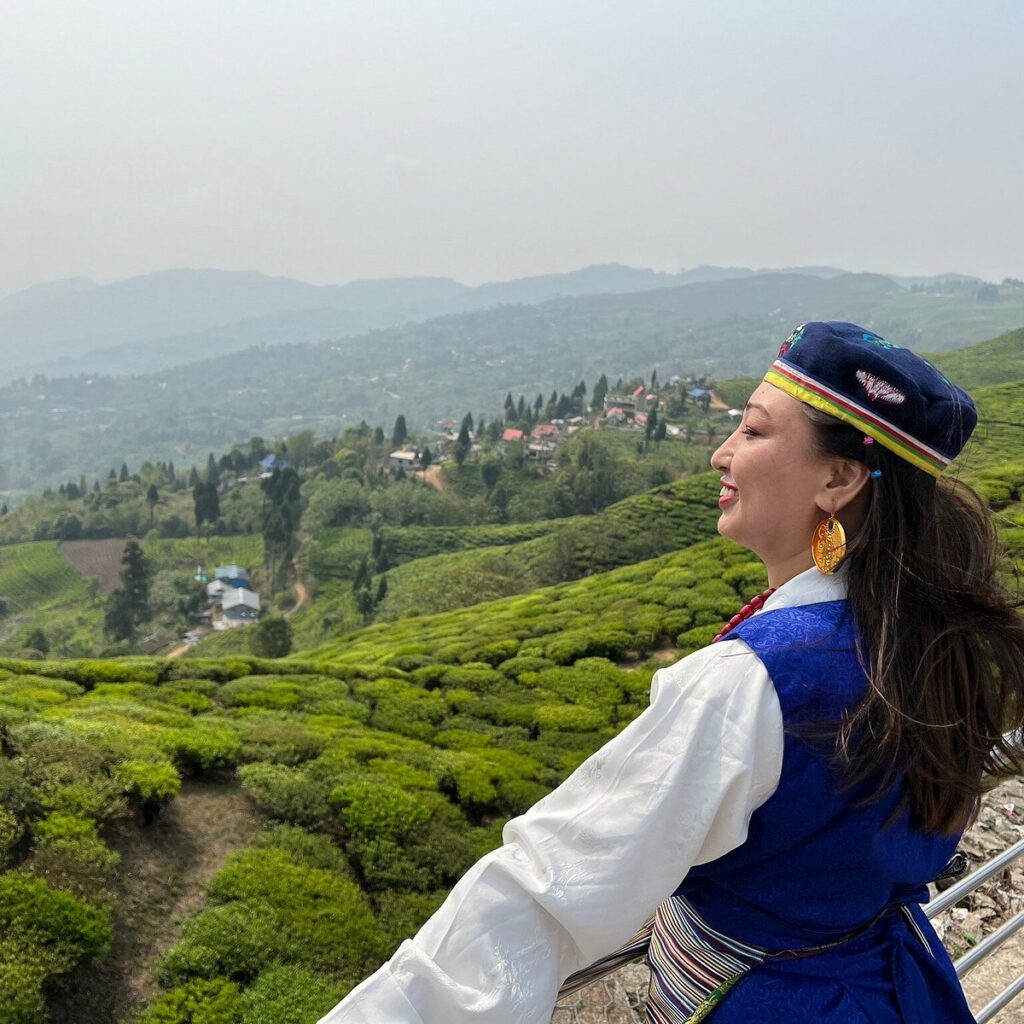
Kanyam Tea Gardens
Kanyam is one of Ilam’s best-known tea destinations. Its large tea estates and rolling green landscape attract visitors for sightseeing, photography, picnics and other recreational activities.
The Nepal Tourism Board specifically identifies Kanyam and Fikkal as areas whose large tea estates have helped make Ilam famous for more than a century.
Kanyam therefore provides visitors with an opportunity to experience the visual landscape associated with Nepal’s tea industry rather than encountering tea only as a finished product.
Sri Antu and the Wider Ilam Experience
Tea tourism can also form part of a wider trip through Ilam. Areas such as Sri Antu, Ilam Bazaar and the surrounding hill landscapes provide additional opportunities for sightseeing and experiencing eastern Nepal.
The connection between tourism and tea remains active today. In 2025, a Nepal Tourism Board diplomatic retreat in Ilam included visits to the region’s tea gardens and even a tea-plucking activity as part of showcasing eastern Nepal’s tourism experiences.
For travellers interested in agriculture, local landscapes and tea culture, Ilam therefore offers more than simply a place to purchase tea. Visitors can experience the environment in which one of Nepal’s most recognisable agricultural products is grown.
What Makes Ilam Tea Distinctive?
Ilam’s importance comes from a combination of its history, geography and established tea industry. Tea cultivation in Nepal began in Ilam in the nineteenth century, giving the district a particularly strong connection with the development of Nepal’s tea sector.
The district also supports a diverse group of tea producers. The National Tea and Coffee Development Board lists producers in Ilam making orthodox, green and other specialty teas, showing that “Ilam tea” represents a range of products rather than one standard tea.
Growing location and elevation can also differ between producers. For example, government producer records show some Ilam tea businesses operating at elevations above 1,500 metres. These differences, together with harvesting season and processing choices, can influence the characteristics of the finished tea.
Ilam’s tea identity also extends beyond production. Its tea-covered hills have become part of the district’s tourism image, creating a close connection between agriculture, landscape and travel. Learn more about certification, production and growing regions in our guide to organic tea in Nepal.
How to Choose Ilam Tea
When choosing Ilam tea, start by checking the producer, tea type, origin and harvest information rather than relying only on attractive packaging.
First, identify the style of tea. Ilam producers make orthodox black, green and other specialty teas, so the words “Ilam tea” alone do not tell you exactly what is inside the package.
Next, look for information about the producer or tea garden. Clear origin information can help distinguish tea genuinely associated with Ilam from products that use general Himalayan or Nepal-themed branding.
Harvest information can also be useful. If a producer identifies a tea as first flush, second flush, monsoon or autumn flush, this tells you when the leaves were harvested.
For organic tea, check whether the producer provides information about certification or verification rather than assuming that all tea grown in Ilam is organic.
Ultimately, the best Ilam tea depends on personal preference. Exploring different producers, tea styles and harvesting seasons is a better approach than assuming there is one single type of Ilam tea that suits everyone.
Frequently Asked Questions About Ilam Tea
What is Ilam tea?
Ilam tea refers to tea grown and processed in Ilam district in eastern Nepal. It describes the geographical origin rather than one specific type of tea.
Why is Ilam famous for tea?
Ilam has a long history of tea cultivation and is home to extensive tea-growing landscapes and numerous producers. Tea gardens have also become an important part of the district’s tourism identity.
When did tea cultivation begin in Ilam?
Nepal’s National Tea and Coffee Development Board traces the beginning of tea cultivation to the establishment of Ilam Tea Estate in 1863.
What types of tea are produced in Ilam?
What types of tea are produced in Ilam?
Is Ilam tea organic?
Some producers in Ilam focus on organic tea, but not all Ilam tea should be assumed to be organic. Buyers looking specifically for organic tea should check the producer’s certification or verification information.
What are the tea flushes in Ilam?
Nepal’s Himalayan orthodox tea sector generally recognises first, second, monsoon and autumn flushes. These represent different harvesting periods throughout the growing season.
Can tourists visit tea gardens in Ilam?
Yes. Tea gardens are an important part of Ilam’s tourism offering. The Nepal Tourism Board highlights tea-garden walks, sightseeing and destinations such as Kanyam Tea Estate among activities for visitors.
Exploring Ilam’s Tea Culture
Ilam occupies a special place in Nepal’s tea story. From the establishment of Ilam Tea Estate in 1863 to today’s network of estates, producers and cooperatives, tea has become closely connected with the district’s economy, landscape and identity.
But Ilam tea should not be thought of as one single product. Different gardens, elevations, harvesting seasons and processing methods contribute to a diverse range of orthodox, green and specialty teas.
For visitors, Ilam also provides an opportunity to experience Nepal’s tea industry beyond the finished cup. Walking through the tea-covered hills of Kanyam and other growing areas helps connect the tea people drink with the landscapes and communities involved in producing it.
Understanding Ilam therefore provides an important starting point for understanding Nepal’s wider tea industry.
Want to discover more about Nepal tea? Explore our guides to Nepal’s tea varieties, growing regions, organic production, tea culture and industry.